


The Pioneer in Aluminum Alloy Wheel Mold Manufacturing
The Pioneer in Aluminum Alloy Wheel Mold Manufacturing
more+
In the manufacturing of motorcycle wheel hubs, casting and forging are two primary methods used. Each method has its advantages and disadvantages, and they are suited for different types of motorcycles and usage scenarios.
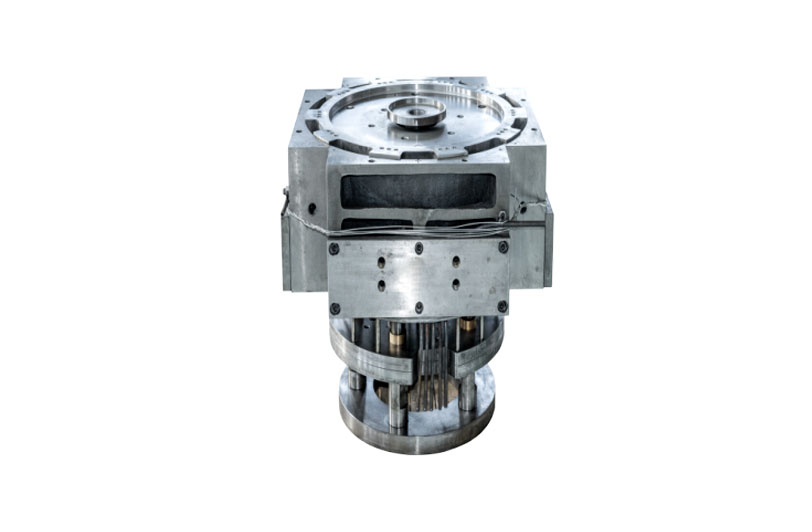
Casting is a manufacturing process in which metal is heated to its molten state and poured into a mold to cool and form the desired shape. The casting process is widely used for large-scale production of motorcycle wheel hubs because it is cost-effective and capable of producing complex wheel designs.
Casting is a traditional metalworking technique where molten metal is poured into molds and allowed to cool, solidifying into the desired shape. This process is used with various metals, particularly aluminum alloys and cast iron, and is commonly applied in the mass production of motorcycle wheel hubs.
Forging is a manufacturing process in which metal is heated to a high temperature and shaped by applying pressure. Compared to casting, forging creates a denser molecular structure within the metal, significantly increasing the strength and durability of the wheel hub.
Forging is a high-strength processing method where metal is heated to a specific temperature and then mechanically compressed into a desired shape. This method is commonly used with aluminum alloys, titanium alloys, and steel, and is often applied in the manufacturing of high-performance motorcycle wheel hubs.
The table below highlights the main differences between casting and forging in the manufacturing of motorcycle wheel hubs. By comparing these factors, you can determine the most suitable method for your motorcycle’s needs.
| Feature | Casting | Forging |
|---|---|---|
| Production Cost | Low, suitable for large-scale production | High, more expensive production costs |
| Strength | Lower, more prone to cracks, suitable for low-load use | Higher, tighter metal structure, great fatigue resistance |
| Weight | Heavier, not ideal for lightweight applications | Lighter, ideal for high-performance or racing motorcycles |
| Production Cycle | Short, faster production speed | Long, longer production cycle |
| Application | Suitable for low-load, general-purpose motorcycles | Ideal for high-performance, racing, or high-load applications |
| Shape Flexibility | Flexible, able to create complex designs | Limited, best for simple, high-strength designs |
Choosing the right manufacturing method is crucial based on your motorcycle’s requirements. If you’re aiming for high performance and durability, or if your motorcycle is used in high-load applications, forging is the better option. On the other hand, if you need to produce large quantities of simple-shaped wheel hubs within a limited budget, casting might be the best choice.
